
Selling in Lincoln County: Low-Cost Fixes That Strengthen Appraisals and Offers
When you're getting ready to sell, it's tempting to assume you need a big renovation budget to impress buyers and hit the number you want. In reality, appraisers and buyers tend to reward something much simpler: a home that feels cared for, functions smoothly, and looks clean and consistent from room to room. In Lincoln County, where many shoppers compare multiple homes in a single weekend, the "small signals" add up fast. A few targeted, low-cost improvements can help your property show better, reduce renegotiation risk after inspections, and support cleaner comps when the appraisal report lands.
Think of prep work as removing reasons to hesitate. Buyers can live with an older kitchen, but they pause at sticky doors, stained trim, mystery odors, or flickering lights because those issues imply hidden costs. Appraisers are not judging style; they're documenting condition, quality, and market reaction. Your goal is to tighten the story your home tells: maintained, move-in ready, and priced with confidence.
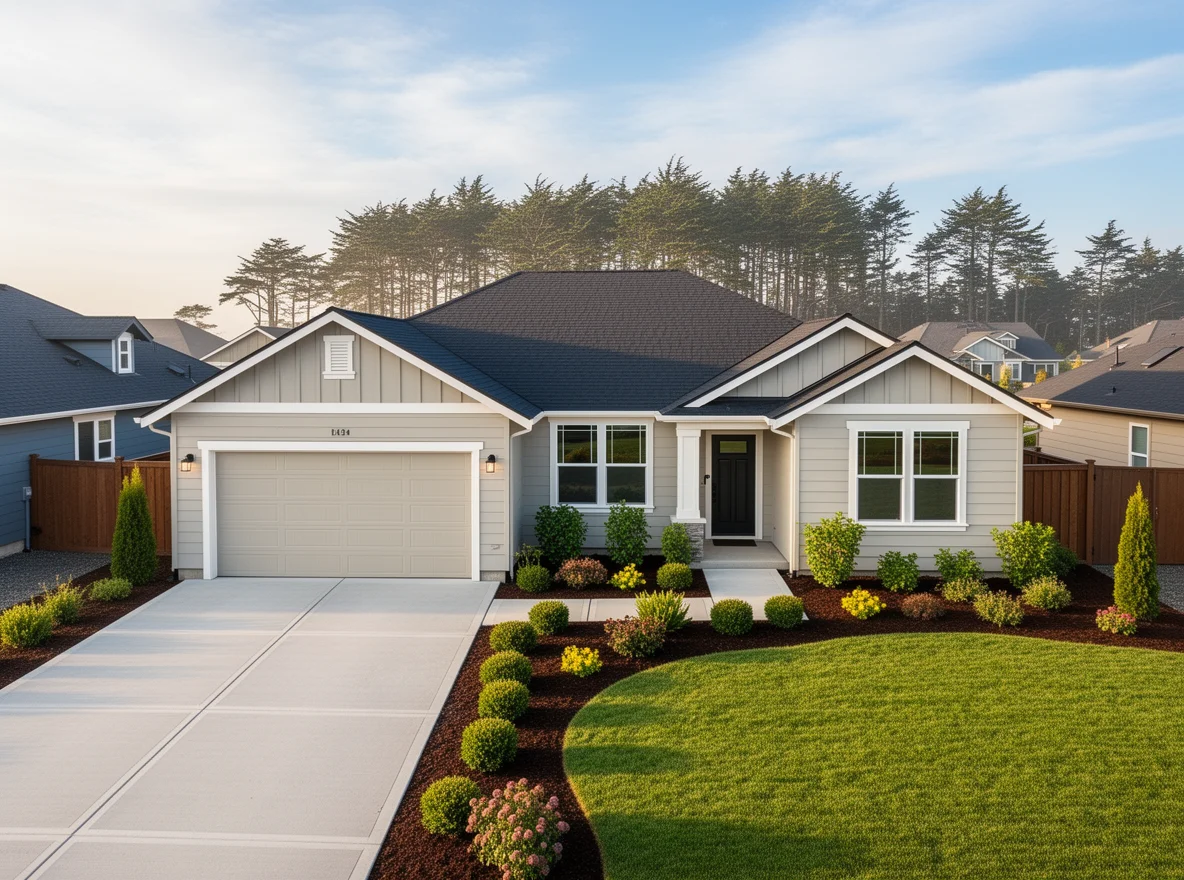
Start outside, because offers often form before the front door opens. Curb appeal doesn't mean extravagant landscaping—it means crisp edges, a clear path, and an exterior that reads "low maintenance." Power-wash siding, steps, and walkways if you can do it safely or hire it out inexpensively. Add fresh mulch, trim back overgrowth, and make sure gutters are secured and clean. If your front door is scuffed, a weekend of sanding and repainting in a classic color can be one of the highest-return projects you'll do. Swap in a new doormat, replace a tired porch light, and confirm house numbers are visible. These are small items, but they reduce the buyer's mental "to-do list" before they even step inside.
In coastal areas of Lincoln County, moisture and salt air can accelerate wear. Addressing visible peeling paint, minor wood rot on trim, and wobbly railings is not just cosmetic—it signals you've been proactive about the environment. If you have a deck, re-secure loose boards and consider a simple clean and re-stain where needed. The goal is a safe, solid feel underfoot, because buyers notice.
Inside, focus on light, cleanliness, and consistency. Fresh paint is often the best cost-to-impact move, but only if it's done strategically. Choose a light, neutral color and paint high-traffic zones first: entry, hallways, living spaces, and any room with strong or unusual colors. Then, repair nail pops, small drywall dings, and baseboard scuffs. Appraisers typically won't assign value to "new paint," but they absolutely note overall condition. Buyers, meanwhile, treat fresh paint as permission to offer stronger because they can move in without immediate work.
Low-Cost Improvements That Appraisers and Buyers Consistently Notice
When an appraiser walks through, they're documenting what's there and comparing it to recent sales, but they're also assessing condition and functional utility. Here are upgrades that reliably strengthen the overall impression without draining your budget:
- Fix deferred maintenance: leaky faucets, slow drains, missing switch plates, torn window screens, loose cabinet hinges, and doors that don't latch.
- Update lighting where it's obviously dated: a few modern fixtures in the entry or dining area can make the whole home feel more current.
- Replace burned-out bulbs and match color temperature: consistent warm-white lighting makes rooms feel calmer and more cohesive.
- Deep clean like it's a hotel turnover: baseboards, vents, window tracks, grout, and stainless appliances. Clean reads as "maintained."
- Refresh caulk and grout: re-caulk tubs, showers, and backsplashes; touch up grout in visible areas. It's inexpensive and instantly signals care.
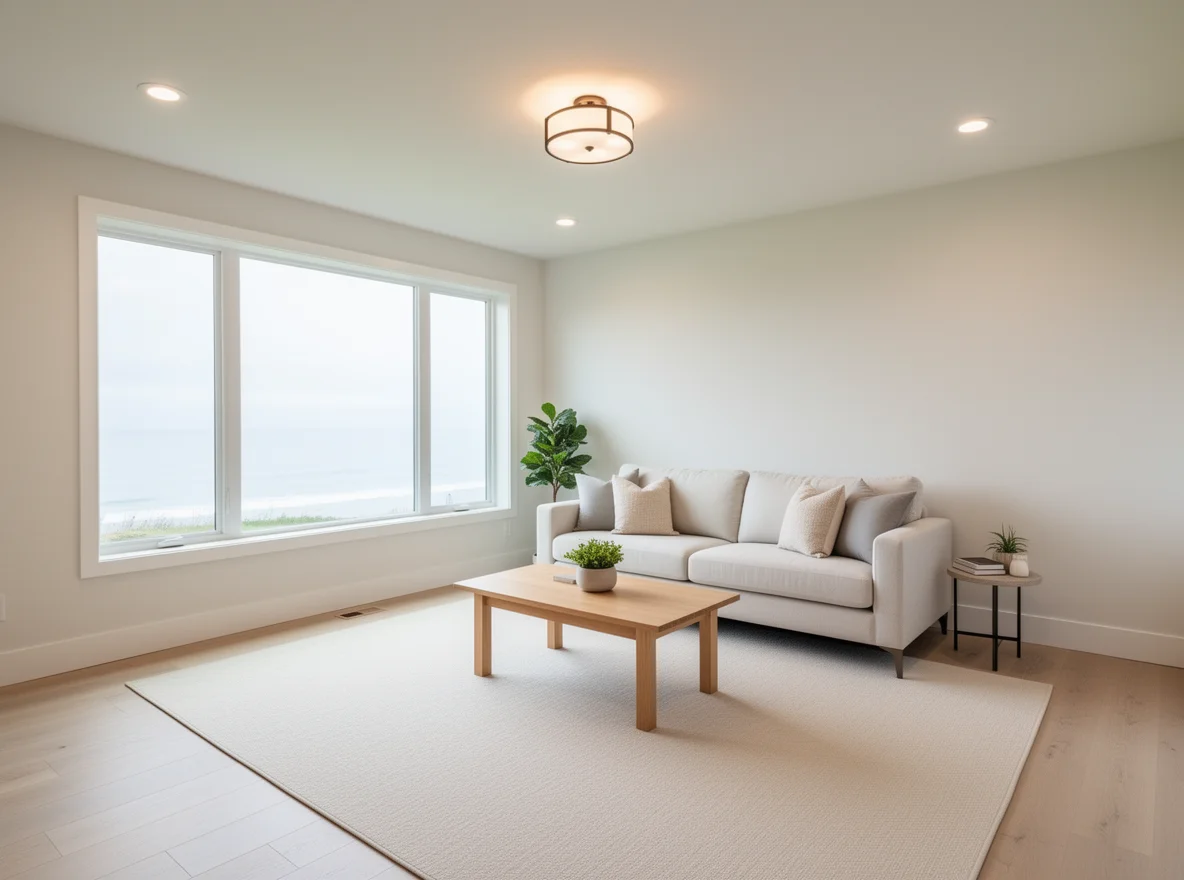
Decluttering is "free," but it's not minor. It's one of the easiest ways to make a home feel bigger and more valuable. Clear countertops, remove extra furniture that blocks walkways, and reduce wall-to-wall personal photos so buyers can picture their own life there. Aim for "comfortable and open" rather than "empty." In bedrooms, make the bed crisp, keep nightstands simple, and minimize floor items so the room reads as spacious. In closets, give everything breathing room; buyers will open doors, and crowded storage suggests the home doesn't have enough space.
Kitchens and baths: don't renovate—refine. Unless your pricing strategy calls for a bigger remodel, you can often make these rooms feel sharper with small moves: new hardware on cabinets, a modern faucet (especially if yours leaks or looks worn), and a thorough clean that includes degreasing, polishing, and brightening grout lines. If your budget allows, replacing a dated vanity light or mirror can change the entire vibe of a bathroom without changing the layout. These updates don't have to be trendy; simple and cohesive wins.
One more under-the-radar factor: smell. Buyers may forgive cosmetic limitations, but they rarely forgive odors. Replace HVAC filters, clean carpets, wash pet bedding, and address sources rather than masking them. If you have a fireplace or wood stove, make sure ash is cleaned out and the surrounding area is spotless. Fresh air, open blinds, and a consistent "clean home" scent can meaningfully improve showings and reduce lowball offers based on perceived condition.
Pre-Listing Repairs That Reduce Price Renegotiations
Some fixes matter not because they "add value," but because they prevent deals from wobbling during inspection and appraisal. The best low-cost approach is to resolve obvious functional issues early and document what you did. If you service the furnace, repair a leak, or replace a worn shutoff valve, keep receipts and a simple list of updates. Buyers and appraisers appreciate evidence of maintenance, and it can help a transaction stay smooth.
Prioritize safety and function: secure handrails, replace missing smoke/CO alarms where required, and ensure GFCI outlets test properly in kitchens, baths, and laundry areas. Make sure every window opens and closes, every door latches, and every light switch works. These are the "nickel-and-dime" items that can snowball into repair requests and buyer anxiety if ignored.

Match your prep to Lincoln County's buyer mindset. Many buyers are drawn to the lifestyle—coastal air, nearby trails, and the relaxed pace of community life—so they respond well to homes that feel easy to own. Simple staging that highlights natural light and practical living spaces tends to outperform overly themed décor. If you have outdoor space, define it: a clean patio, a swept deck, or a small seating area suggests "morning coffee" and "evening unwind," which can elevate emotional connection without major expense.
Finally, remember that a strong sale price is usually the result of several small advantages stacking up: fewer objections, better photos, smoother inspections, and confident appraisals anchored by condition. At IPHD Realty, we like to walk through with sellers and identify the handful of changes that will matter most for your specific home and neighborhood—so you're not spending money where it won't show up in offers. If you're considering selling in Lincoln County, a thoughtful prep plan can turn modest fixes into meaningful leverage when it's time for buyers to choose.
