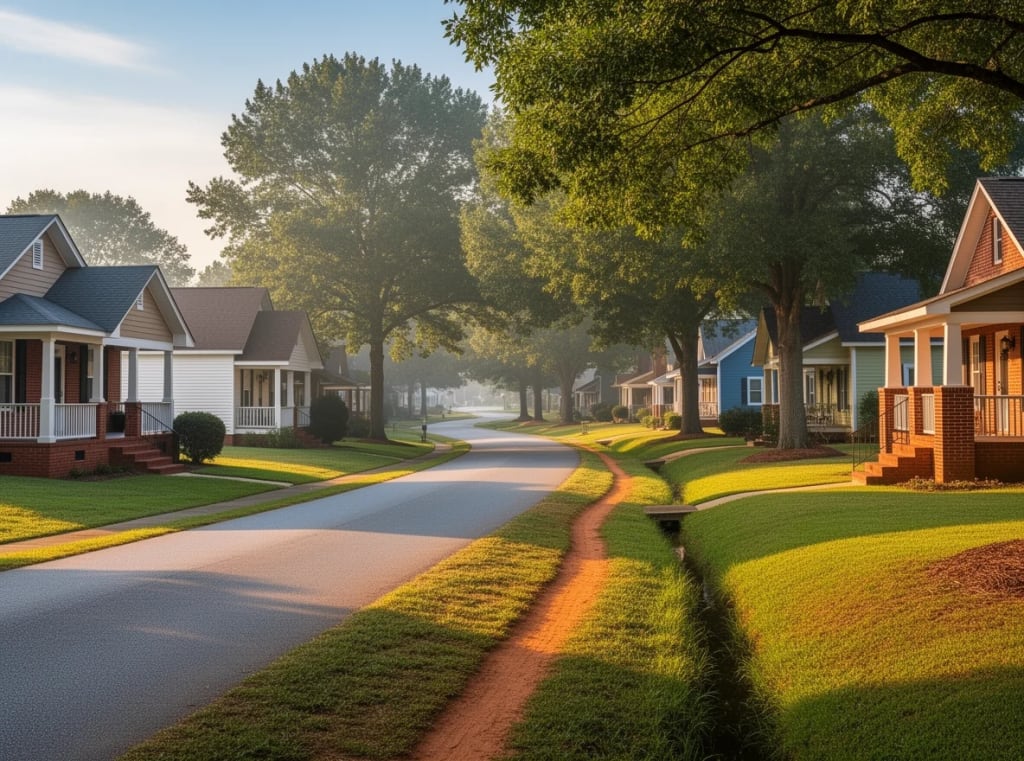
Wadesboro Home Values Explained: What Actually Moves Prices Street to Street
Home values in Wadesboro don't rise and fall in a neat, town-wide line. Two houses can look similar online, sit only a few minutes apart, and still land in very different price ranges when it's time to sell. That "street-to-street" reality is what surprises most homeowners—and it's also where smart strategy lives. If you're trying to understand what your place is worth (or what a listing is really worth), it helps to zoom in on the handful of factors that buyers reward most in this market.
From curb appeal to commute patterns, Wadesboro pricing tends to be shaped by small, practical details that change block by block. Below is a clear look at what actually moves prices—what appraisers and buyers typically notice first, and where IPHD Realty sees sellers win (or lose) the most value.
Micro-location matters more than most people expect
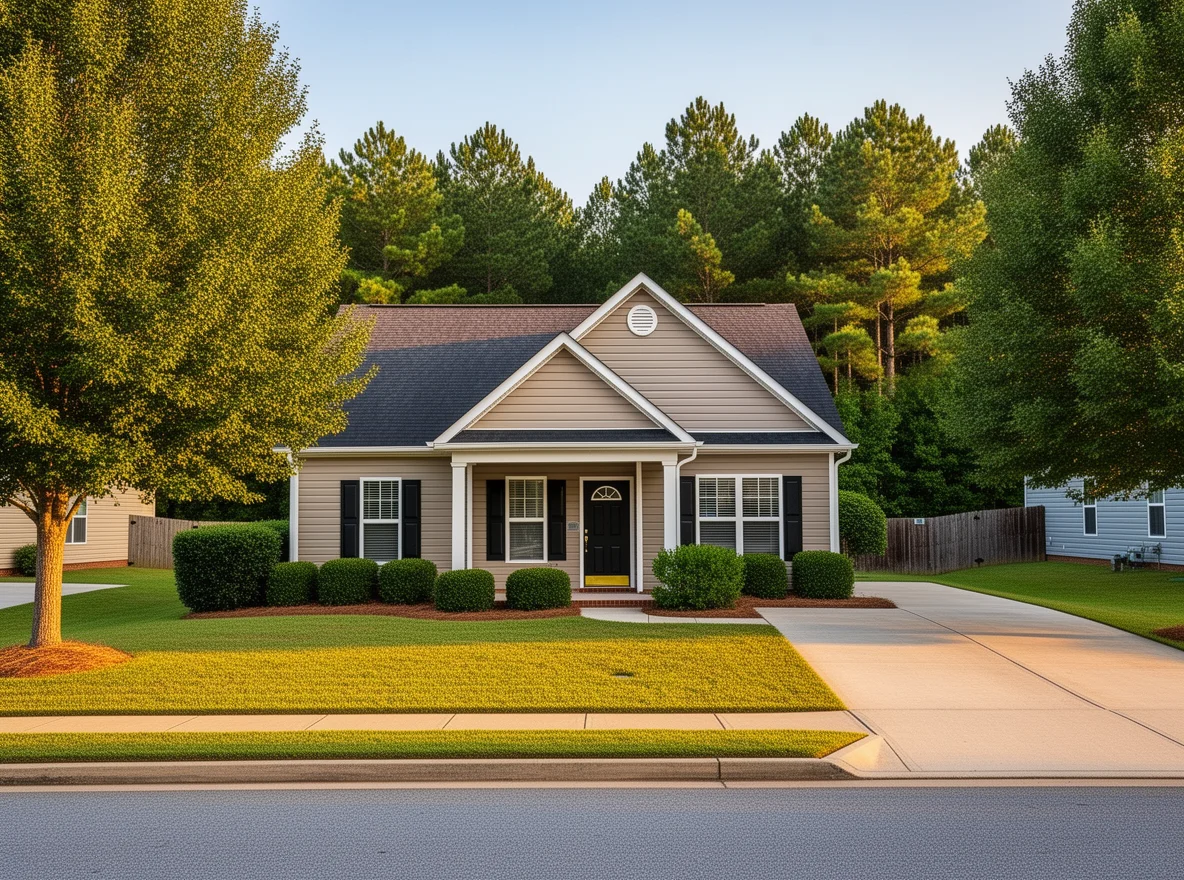
Neighborhood feel is a pricing feature. Buyers aren't just paying for square footage; they're paying for how the home "lives" day to day. On one street, you might have consistent upkeep, cohesive home styles, and a calmer sense of traffic. A few blocks over, you could be closer to busier intersections, have more mixed property conditions, or deal with tighter parking. Those differences influence demand, and demand shows up in the final number.
Noise, traffic flow, and sightlines can create real value shifts even when the property itself is comparable. Homes that feel tucked away—without being isolated—tend to photograph better, show better, and invite stronger emotional offers. Meanwhile, properties near heavier through-traffic or with limited visibility pulling in/out may need sharper pricing to compete, especially if buyers are comparing options in the same weekend.
Pro tip for sellers: if your location has a "quiet street" advantage, highlight it intentionally. Mention low traffic, the way the street feels in the evening, and the proximity to daily errands without emphasizing commercial signage or strip-style corridors.
Condition, not just updates, drives the buyer's confidence
In Wadesboro, you don't always need a full remodel to earn a strong number—but you do need to create trust. Buyers often pay a premium for homes that feel maintained: steady flooring transitions, clean paint lines, solid doors and hardware, working windows, and a roof and HVAC story that's easy to understand. Even when the finishes aren't brand-new, "no surprises" is powerful.
Where values can drop quickly is when deferred maintenance piles up: soft spots, aging systems with unclear service history, water staining, or cosmetic wear that signals bigger issues. Buyers typically overestimate repair costs, and that fear shows up in offers. If you're deciding where to spend, prioritize projects that reduce uncertainty: mechanical servicing, minor exterior repairs, and freshening high-visibility areas like the entry, living room, and primary bath.
For buyers, remember that "updated" isn't always synonymous with "quality." A quick cosmetic flip may look nice in photos but can fall short in inspection. Looking at workmanship, permits where relevant, and the age of big-ticket items is a smarter path than chasing surface-level finishes alone.
Layout and livability: why two similar homes don't price the same
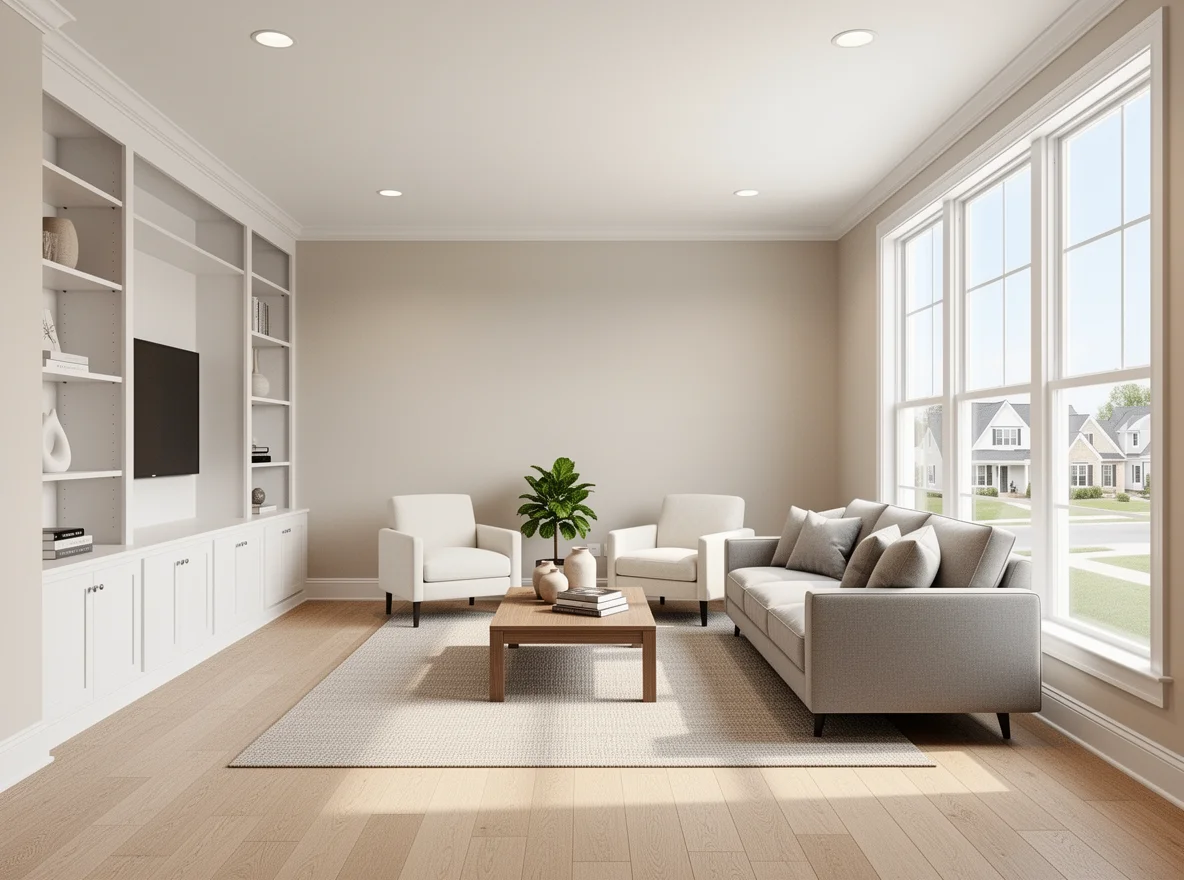
Functional space beats raw square footage. A home can be larger on paper and still feel less usable if the layout is choppy, bedrooms are undersized, or the kitchen is isolated in a way that doesn't match what today's buyers want. In contrast, a slightly smaller home with an open, comfortable flow—especially around the kitchen, dining, and main gathering area—can compete above its weight.
Street-to-street pricing differences often show up in these "invisible" details: where the laundry sits, whether there's a true primary suite feel, and how natural light moves through the house. In many showings, buyers decide how they feel about a floor plan within the first few minutes. That emotional response translates into how far they'll stretch, particularly when inventory is tight or well-presented homes are scarce.
If you're selling, staging isn't just decoration—it's a layout tool. The goal is to help buyers understand how to live in the space. Clear walkways, appropriately sized furniture, and purposeful room definitions (especially in bonus spaces) can protect value and reduce low offers driven by confusion.
Lot features, outdoor usability, and curb appeal
Outside, value hinges on usefulness and first impressions. A level yard, good drainage, and a driveway that feels easy to navigate can matter as much as a fancy interior upgrade. Buyers in smaller-town markets often care deeply about outdoor living: space for pets, gardening, a workshop vibe, or simply a peaceful spot to unwind.
Curb appeal is the price of admission for top-dollar interest. Small upgrades—mulch, trimmed hedges, a clean front walk, updated lighting, and a fresh front door—create an immediate signal that the home is cared for. When that signal is missing, buyers tend to enter the showing in "discount mode," looking for reasons to negotiate.
Also consider what buyers see from key windows. A backyard that feels private or green can elevate a home's perceived quality. Conversely, clutter, visible storage piles, or harsh sightlines can quietly chip away at value even if everything is technically fine.
Schools, drive times, and the daily routine effect
Even when buyers don't say it out loud, their offer often reflects day-to-day convenience. Commute patterns, proximity to schools, parks, and everyday services can influence demand—and demand is what creates price strength. In Wadesboro, that can mean buyers weighing how quickly they can get across town, how a location fits their work schedule, or whether the route to school and activities feels straightforward.
Recreation and community character matter, too. Homes that feel connected to the rhythm of the town—without being in the middle of constant activity—often earn more attention. People want to imagine weekends: a relaxed morning, a quick drive to meet friends, an evening walk in a pleasant neighborhood. That lifestyle picture is subtle, but it's real, and it's one reason pricing can vary noticeably from one pocket to the next.
The real estate "price gap" is often a marketing gap
One of the most overlooked value drivers is how the home is presented. Professional-level pricing strategy, strong photos, clean listing language, and a showing plan that reduces friction can change the outcome. When a home is slightly overpriced, buyers don't just negotiate—they sometimes skip it entirely. Then the listing sits, the market reads it as "something's off," and price reductions follow.
On the flip side, a well-prepared home that's positioned correctly can create urgency. That urgency is what protects your bottom line: cleaner offers, fewer repair concessions, and a smoother path from contract to close. This is where a street-to-street mindset helps—because the best comparable sale may be the one that feels similar in condition, presentation, and buyer appeal, not just distance.
Bringing it all together
Wadesboro home values are shaped by micro-location, maintenance confidence, livable layouts, outdoor usefulness, and how well a property is presented to the market. If you're wondering why your neighbor's sale doesn't match what you're seeing online, you're not missing anything—real pricing is local, nuanced, and deeply tied to the buyer experience.
If you want a clear, street-level view of your home's value (or a second opinion on a listing price that doesn't feel quite right), IPHD Realty can help you break down the factors that matter most—so you can make decisions based on reality, not assumptions.
